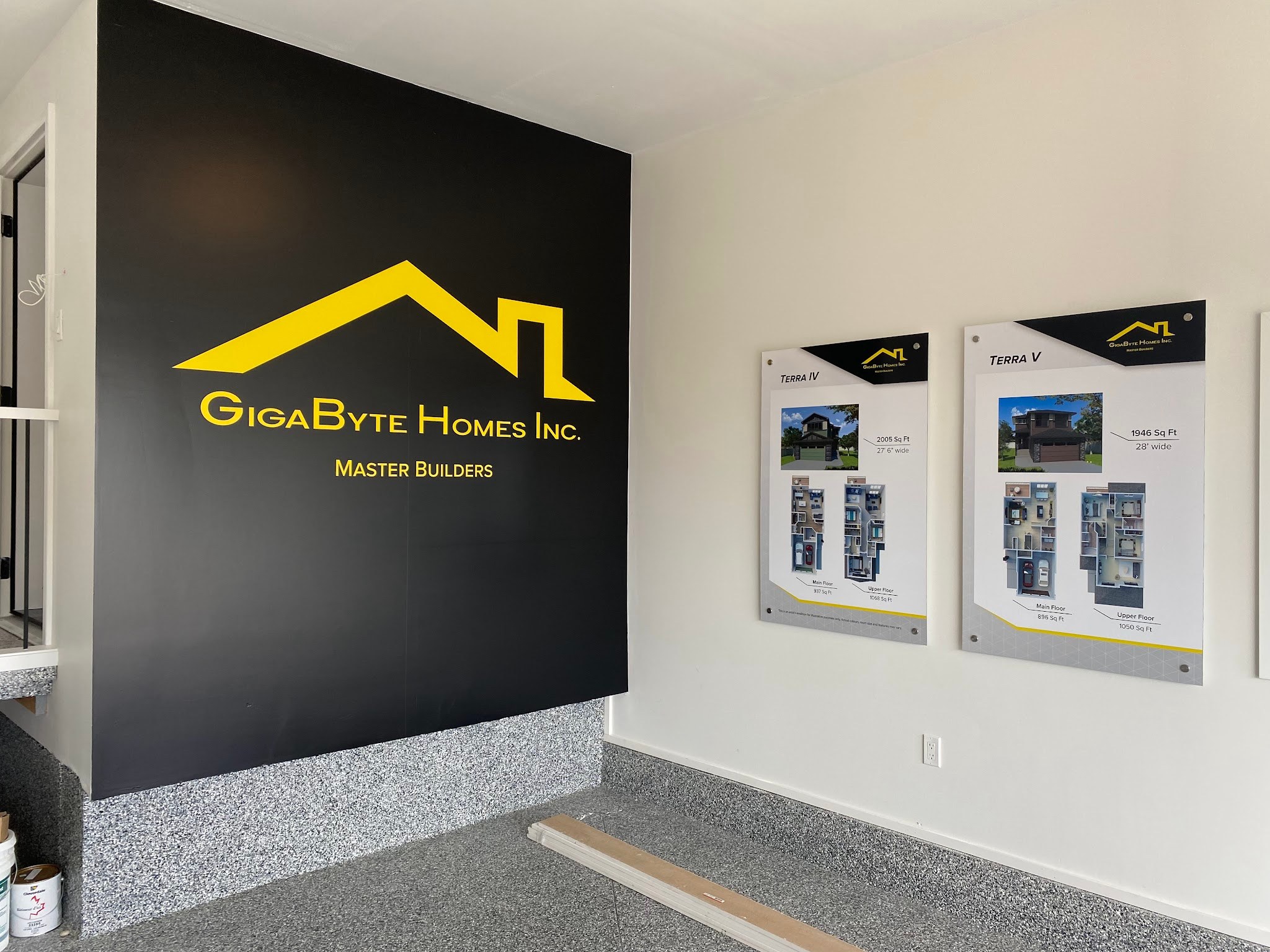
A vehicle wrap and an architectural wrap use the same material (cast vinyl) and similar install techniques (heat-and-squeegee, edge-wrap, panel-by-panel), but the surfaces are different. Building walls have texture, joints, paint variation, and electrical outlets to work around. Done well, the wrap reads as part of the architecture; done poorly, it looks like wallpaper that's about to peel. The difference is surface prep and seam planning.
What architectural wraps are good for
- Feature walls in retail and hospitality: branded wall coverings in restaurants, hotels, retail floors. Lower cost than a paint-and-stencil job, removable when the tenant changes.
- Column wraps: interior columns in lobbies, atriums, malls. Branded or designed surfaces wrapped to the column. Often the highest-impact-per-dollar architectural application.
- Office and retail partitions: wall dividers, half-height partitions, conference-room glass. Frosted vinyl for privacy, printed vinyl for branding.
- Elevator interiors: full-cab vinyl wrap for elevators. Common in commercial properties for branding or refresh between tenants.
- Door wraps: entry doors, suite doors, washroom doors. Branded or decorative.
- Exterior hoarding and site fencing: construction-site hoarding wrapped with printed graphics during the build phase. Branded marketing for the eventual tenant.
- Window and storefront glazing: frosted, perforated, or printed vinyl on commercial glass.
- Retail fixture wraps: display cases, counters, display walls. Branded surfaces for promotions and seasonal campaigns.
What's different from a vehicle wrap
- Wall surface variability. Buildings have textured walls, painted walls, ACM panels, glass, and concrete; each prep differently. Painted drywall is the most common interior surface; ACM exteriors are the most common outdoor. We survey the surface before quoting.
- Seam planning across large areas. A 12-foot-wide wall needs at least one vinyl seam. Where the seam falls (centred, off-centre, hidden behind a column or fixture) is part of the design.
- Adhesive choice for removability. Walls and tenant fixtures usually need removable adhesive, which differs from vehicle-spec vinyl that uses pressure-activated permanent. We carry both grades and pick per project.
- Electrical outlets, switches, vents. All masked or wrapped around. Sometimes outlet covers come off, get wrapped separately, and go back on.
- Lighting affects perception. A printed wrap looks different under fluorescent vs. LED vs. natural light. Colour-critical work needs to be proofed under the actual install lighting.
Pricing
Architectural wrap pricing scales with area more linearly than vehicle wrap pricing. Typical ranges:
| Application | Per sq ft installed |
|---|---|
| Interior feature wall (printed) | $15–$22 |
| Interior feature wall (solid-colour cast vinyl) | $12–$18 |
| Column wrap | $18–$25 |
| Exterior building / hoarding | $18–$28 |
| Frosted privacy vinyl on glass | $14–$20 |
| Elevator cab interior, full | $1,500–$3,500 per cab |
| Retail fixture wrap | $400–$2,000 per fixture |
Multi-room or multi-fixture projects: bundled pricing on quote. Includes design layout, production, and install. Excludes paint correction or wall repair if the existing surface needs prep.
Related work
- Wall murals: printed graphics specifically for large interior walls (closely related)
- Window graphics: vinyl on commercial glass
- Large format printing: the underlying print process
- Signs: for wall-mounted panel signs and storefront identification
Common questions
Will the wrap damage the wall when it comes off?
For interior walls: removable adhesive grade lifts cleanly within 5–7 years on properly-primed and painted drywall. Some paint pull is possible if the underlying paint was already failing; we inspect on survey day and flag this. For permanent installs (5+ year horizon), pressure-activated adhesive bonds more strongly but is harder to remove cleanly later.
Can you wrap over textured wallpaper or stucco?
Smooth textures (light orange peel, knockdown, fine sand): yes, with appropriate prep. Heavy textures (heavy knockdown, popcorn, stucco): vinyl won't conform to deep texture and will telegraph the underlying surface. We can spec a thicker calendared overlay for heavy texture but the finish reads differently than a flat-wall wrap.
What about fire-code requirements for interior installation?
Commercial interior wraps in Alberta need to meet flame-spread and smoke-development ratings under the Alberta Building Code. Tell us at quote stage that your project needs a permit, because it changes which film we specify. For permit work we select a film rated for the application and supply the manufacturer's flame-spread certification for that specific film with your submittal.
How long does a wall wrap install take?
A single feature wall (8 × 12 ft, ~100 sq ft) typically installs in 4–6 hours including prep and final inspection. Larger rooms, multi-wall installs, and column wraps scale linearly. We can install during business hours (with masking) or after hours / weekend for occupied retail and offices.
Will the wrap survive years of contact, leaning, and cleaning?
Yes for typical office and retail use. Cleaning with mild soap and water is fine; harsh solvents and abrasive scouring will damage the surface. Lower walls in high-traffic zones (corridors, washrooms) take more wear than feature walls higher up.
Can you wrap exterior building surfaces in Edmonton's climate?
Yes. Same cast vinyl with UV-rated print as vehicle wraps survives Alberta freeze-thaw. Exterior installs need a longer warm-up window during install (we don't install when surface temp is below the manufacturer minimum, typically 10°C). Spring through fall is the practical install season for exterior architectural work.
What you get besides the install
4.8 out of 5 on Google
Across 26 reviews as of September 2026, many of them from Edmonton businesses writing about their own fleet vehicles. Read them on Google.
WCB-covered installers
Every installer who attends your site is covered by WCB Alberta, and we use no subcontractors. We provide a clearance letter on request, which is what most general contractors and property managers need before an installer sets foot on site.
Insured for vehicles in our care
We carry commercial insurance covering customers’ vehicles in our care at our Edmonton shop. Your own policy stays primary. Certificate of insurance on request, and the details are on our legal page.
A written warranty, published
Our workmanship warranty and the manufacturer material warranty are written down and public, not promised at the counter. Read the full warranty before you book, not after.